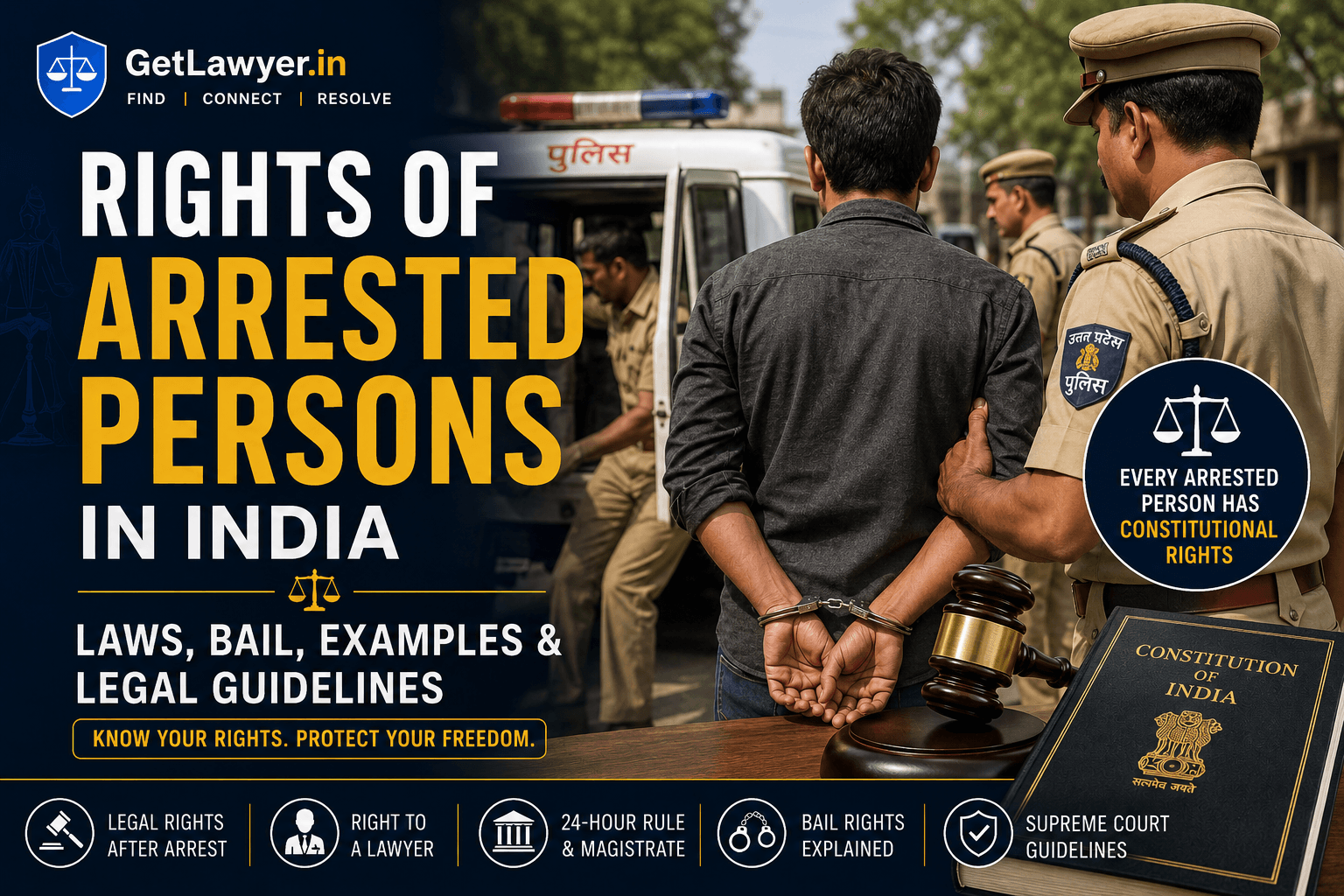
Rights of Men, Anticipatory Bail & How to Defend a False Case in India
Rights of Men, Anticipatory Bail & How to Defend a False Case in India
False criminal cases can have a serious impact on a person’s reputation, career, mental health, and family life. In India, men often face legal and social challenges in cases involving false allegations, especially in matrimonial disputes, harassment complaints, financial disputes, or criminal accusations.
Indian law, however, provides several important legal protections, including anticipatory bail, constitutional rights, and remedies against false accusations.
In this article, we explain the rights of men in India, anticipatory bail laws, how to defend a false case, legal remedies, and important Supreme Court guidelines in simple language.
What is a False Case?
A false case means a criminal or legal complaint filed with wrong intentions, fabricated facts, or exaggerated allegations against a person.
False cases may arise due to:
- Personal revenge
- Matrimonial disputes
- Property conflicts
- Financial disagreements
- Workplace rivalry
- Family disputes
However, every complaint should still be treated seriously until investigated properly by law.
Rights of Men in India During Criminal Proceedings
Every accused person, including men, has constitutional and legal rights.
1. Right to Fair Investigation
Police must conduct an unbiased and lawful investigation.
An accused person cannot be declared guilty without proper evidence and court trial.
2. Right to Legal Representation
Every person has the right to hire a lawyer and defend themselves in court.
Important Provision:
- Article 22(1) of the Constitution of India
3. Right Against Illegal Arrest
Police cannot arrest someone arbitrarily without following legal procedures.
The Supreme Court has repeatedly stated that arrest should not be automatic.
4. Right to Remain Silent
An accused person cannot be forced to confess or become a witness against themselves.
Important Provision:
- Article 20(3) of the Constitution
What is Anticipatory Bail?
Anticipatory bail is a legal protection granted by the Sessions Court or High Court to a person who fears arrest in a criminal case.
It allows a person to remain free even if police attempt to arrest them.
Law Related to Anticipatory Bail
Anticipatory bail is governed under:
- Section 482 of Bharatiya Nagarik Suraksha Sanhita (BNSS) (Earlier Section 438 CrPC)
The court may grant anticipatory bail based on:
- Nature of allegations
- Evidence available
- Criminal history
- Possibility of misuse of law
When Should You Apply for Anticipatory Bail?
A person should immediately consult a lawyer and apply for anticipatory bail if:
- There is fear of false FIR
- Police inquiry has started
- Threats of arrest are being made
- Family disputes are escalating
- False dowry or harassment allegations are expected
Early legal action is very important.
How to Apply for Anticipatory Bail?
Step 1: Contact a Lawyer
A criminal lawyer prepares the anticipatory bail application.
Step 2: File Bail Application
The application is filed before:
- Sessions Court
- High Court
Step 3: Court Hearing
The court hears:
- Arguments from accused
- Police objections
- Facts and evidence
Step 4: Bail Order
If granted, police cannot arrest the person without following court conditions.
Common False Cases Faced by Men
Some commonly reported disputes include:
- False dowry harassment allegations
- False domestic violence claims
- False cheating allegations
- Property dispute complaints
- Financial fraud accusations
- Workplace harassment complaints
Every case depends on facts and evidence.
How to Defend a False Case in India
1. Collect Evidence Immediately
Preserve:
- Call records
- WhatsApp chats
- Emails
- Bank statements
- Photos and videos
- Witness details
Digital evidence can become very important in court.
2. Do Not Panic or Abscond
Avoid:
- Threatening the complainant
- Running away
- Ignoring police notices
Such actions may weaken your case.
3. Cooperate Through Legal Process
Appear before authorities when legally required and follow your lawyer’s advice.
4. Apply for Quashing of FIR
If allegations are clearly false, the accused may approach the High Court for quashing the FIR.
5. File Counter-Complaint if Necessary
If false allegations were filed maliciously, legal action may be taken against the complainant under applicable laws.
Supreme Court Guidelines Against Misuse of Law
Indian courts have recognized concerns regarding misuse of criminal laws in some situations.
Arnesh Kumar vs State of Bihar (2014)
The Supreme Court held that automatic arrests should not be made in certain offences.
Police must first verify necessity of arrest.
This judgment helped prevent unnecessary arrests in matrimonial and related disputes.
Can a Person Get Compensation for False Case?
In certain situations, a falsely accused person may seek:
- Defamation claim
- Compensation
- Malicious prosecution case
- Legal costs recovery
However, courts examine evidence carefully before granting relief.
Important Guidelines for Men Facing False Cases
Do:
✔ Contact a lawyer immediately
✔ Keep all communication records
✔ Apply for anticipatory bail early
✔ Remain calm and cooperative
✔ Preserve digital evidence safely
Don’t:
✘ Threaten the complainant
✘ Delete chats or records
✘ Ignore police notices
✘ Post aggressive content on social media
✘ Sign documents without legal advice
Difference Between Regular Bail and Anticipatory Bail
| Anticipatory Bail | Regular Bail |
|---|---|
| Granted before arrest | Granted after arrest |
| Prevents arrest | Secures release from custody |
| Filed when arrest is expected | Filed after detention |
Can Anticipatory Bail Be Rejected?
Yes. Courts may reject anticipatory bail if:
- Serious evidence exists
- Accused may abscond
- Investigation may be affected
- Allegations are extremely serious
Each case depends on facts and judicial discretion.
Conclusion
False criminal cases can seriously affect a person’s personal and professional life. However, Indian law provides important protections such as anticipatory bail, fair investigation rights, legal representation, and judicial safeguards against misuse of law.
Knowing your legal rights, acting quickly, preserving evidence, and consulting an experienced lawyer can significantly strengthen your defense.
Every accusation should be handled through proper legal process, evidence, and constitutional safeguards rather than fear or panic.
Frequently Asked Questions (FAQs)
Can police arrest immediately after FIR?
Not always. Police must follow legal procedures and Supreme Court guidelines before arrest in many cases.
What is the main benefit of anticipatory bail?
It protects a person from arrest while the investigation continues.
Can false FIR be cancelled?
Yes. The High Court may quash a false FIR in appropriate cases.
Is anticipatory bail permanent?
It depends on court orders and case circumstances.
Can a false complainant be punished?
Yes. Filing false evidence or malicious complaints may attract legal consequences.
Related articles
More reads you may find useful